The risk with NHS technology is moving too slowly, says Streeting
- 14 January 2026


- Wes Streeting warned of the risk of moving too slowly with NHS technology
- He emphasised digital health's potential to increase productivity
- Streeting said that we shouldn’t make assumptions about digital exclusion or patronise patients
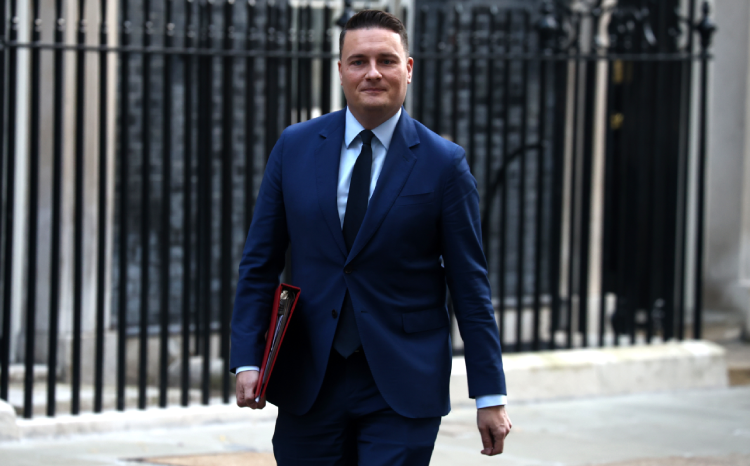
As the NHS becomes more tech-savvy, “the real risk is not moving too fast, but moving too slowly,” the health secretary has warned.
In a keynote speech delivered on 13 January 2026 at the Institute for Government’s annual conference, Wes Streeting stressed that “modernisation will require allying the public’s desire for change with the technological revolution”.
One of the government’s three key shifts outlined in its NHS 10 year health plan, published in July 2025, is for the health service to move from ‘analogue to digital’, with the use of digital tools such as ambient voice technology to increase productivity.
In his speech yesterday, Streeting said: “Running twenty-first-century public services on analogue systems is not a neutral choice; it is an active decision to waste time, money, and human potential.”
He added that “moving too slowly” when rolling out tech could lead to the NHS “locking inefficiency into the system while demand continues to rise”.
“The productivity case is overwhelming. Highly trained professionals should not be burning hours on tasks that can be automated.
“Every minute spent chasing paperwork is a minute not spent teaching, treating, or rehabilitating.
“Digitisation is how we release expertise, raise output, and improve outcomes without endlessly returning to the taxpayer for more,” Steering said.
He cited Greater Manchester as an example, where he said an AI-powered chest X-ray tool is reducing delays in lung cancer diagnosis, with the proportion of patients getting results within 24 hours rising from a quarter to three-quarters in a three week period.
“The principle must be technology where we can, human where it matters. The NHS will always be a people-based service. Empathy, expertise, and accountability can’t be substituted with tech.
“Marrying the care of frontline staff with the ingenuity of modern technology will make the service more productive for taxpayers, and more humane for patients.
“If a GP is staring at their screen and typing their notes while talking, patients are not receiving the best, personal service. If the GP is using AI to capture and transcribe the appointment, their full focus can be on the patient,” Streeting added.
Although Streeting said we should be “mindful of the risk of digital exclusion”, he added that we “shouldn’t assume and make stereotypes about who is and who isn’t connected” to technology or patronise patients.
“The NHS is so far behind what patients and staff expect.
“Like the guy in the pub who told me his consultant was using his own ambient AI app on his phone – no doubt in breach of one or two important information governance and security protocols, albeit with the patient’s permission – because his NHS trust was behind the times,” Streeting said.
In October 2025, the Care Quality Commission warned that the NHS’s shift to digital risks excluding vulnerable patients and widening existing health inequalities in its ‘State of health care and adult social care in England 2024/25’ report.
Meanwhile, the government has published an impact statement on the 10 year health plan, in which it acknowledged that its digital reforms face significant delivery risks.