
NICE recommends digital platforms to help manage asthma
- 7 January 2026
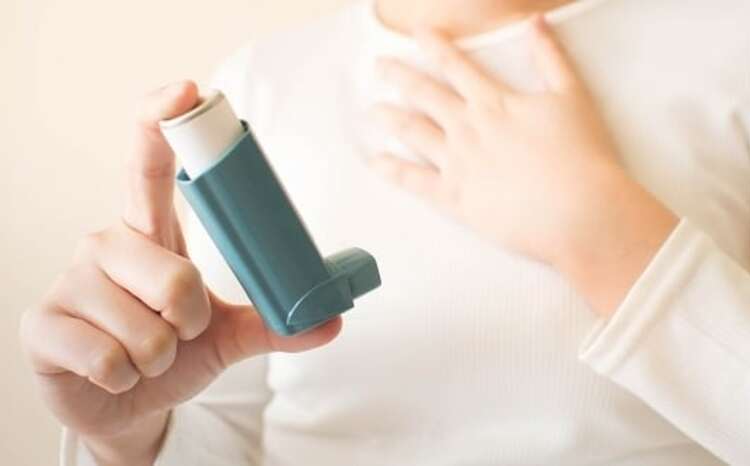


- NICE has published draft guidance recommending eight digital platforms to help people with asthma better manage their condition.
- They have been recommended for use in the NHS while further evidence is collected over the next three years
- NICE has also published separate draft guidance on digital technologies that use algorithms to support the diagnosis of asthma and COPD
NICE has published draft guidance recommending eight digital platforms to help people with asthma better manage their condition.
The eight recommended digital technologies are: Asthmahub, Asthmahub for parents, AsthmaTuner, Digital Health Passport, Luscii, myAsthma, RDMP (Respiratory Disease Management Platform) and Smart Asthma.
They have been recommended for use in the NHS while further evidence is collected over the next three years, the draft guidance states.
Dr Anastasia Chalkidou, HealthTech programme director at NICE, said: “Our independent committee has rigorously assessed the evidence for these digital technologies and concluded they show real promise in helping people better manage their asthma.
“By recommending earlier access to these innovations while further evidence is gathered, we’re driving transformational care into the hands of patients and healthcare professionals faster – while ensuring value for the NHS.
“We know that people from deprived areas are three times more likely to have asthma and experience worse outcomes.
“Reducing health inequalities is central to our work, and these technologies could help address that by offering personalised support in a format that works for more people.
“With around 5.4 million people in the UK receiving treatment for asthma, these digital tools have real potential to empower patients to take a more active role in managing their condition and improve their quality of life.”
Each technology includes a digital personalised asthma action plan that guides users on what to do when symptoms change, along with tools to track symptoms and medication, receive reminders to take inhalers, and access educational content including videos on inhaler technique.
The draft guidance says that these technologies work alongside regular healthcare appointments, not as replacements. They enable people to have more accessible asthma action plans rather than relying on paper versions that can be lost.
Early evidence suggests these tools can improve asthma control scores, reduce hospital visits and help people use their medication more effectively. Users report finding the technologies easy to use and helpful for improving their confidence in managing their asthma.
NICE has also published separate draft guidance on digital technologies that use algorithms to support the diagnosis of asthma and chronic obstructive pulmonary disease (COPD) through spirometry testing.
Spirometry is a breathing test that measures lung function and is used to diagnose lung conditions. NICE recommends that one technology – ArtiQ.Spiro – can be used in the NHS during an evidence generation period in GP surgeries and community diagnostic centres.
These digital tools use AI or step-by-step rules to check the quality of spirometry tests, interpret the results and help guide diagnosis decisions.
Four other technologies – EasyOne Connect, GoSpiro, LungHealth and MIR Spiro – need more research before they can be recommended for NHS use, NICE also states.
Both sets of draft guidance are open for consultation until 21 January 2026.