Menstrual health among priorities for NHS online hospital
- 6 January 2026


- Menopause and menstrual issues will be among the priorities for the NHS’s new online hospital when it launches in 2027
- The NHS has selected nine common conditions which will be the first to be treated by the NHS Online Service
- NHS Online is expected to deliver the equivalent of up to 8.5 million virtual appointments and assessments in its first three years
Women’s health issues will be among the priorities for the NHS’s online hospital which is expected to launch in 2027.
Menopause and menstrual problems which may be a sign of endometriosis or fibroids, are among the nine common conditions which will be the first to be treated by the NHS Online Service, which was launched by prime minister Sir Keir Starmer in September 2025.
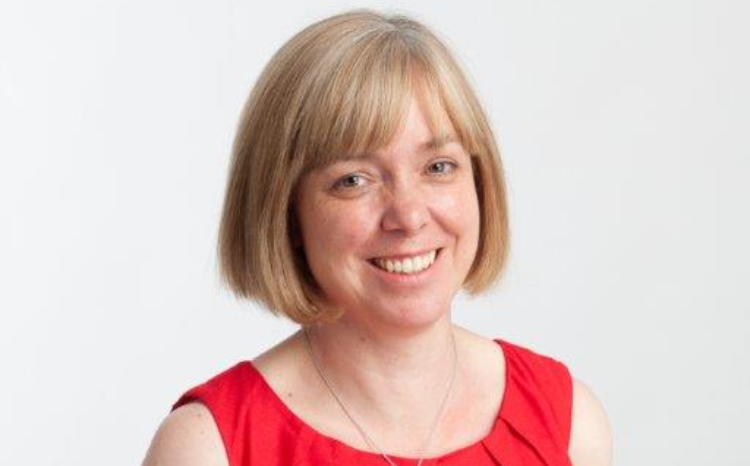
Dr Sue Mann, national clinical director in Women’s Health at NHS England, said: “Menstrual problems, that can be caused by conditions such as endometriosis or fibroids, or menopause symptoms can affect every part of a woman’s life, so it’s essential that the NHS provides better access to effective treatments more quickly.
“NHS Online will make it easier for women to see a consultant from their own home without having to face a long wait for an in-person appointment, meaning they can get on with their daily lives.”
The other conditions are glaucoma, medical retina (including age-related macular degeneration), cataracts, inflammatory bowel disease, iron deficiency anaemia, prostate enlargement and raised prostate-specific antigen (PSA).
Wes Streeting, health secretary, said: “We’ve already made big changes in the NHS, but building a health service that’s fit for the future requires more than just evolution – it demands revolution.
“NHS Online will make accessing healthcare as simple as ordering a cab or a takeaway – fundamentally changing how people interact with the NHS for generations to come.
“People with the nine conditions we’re announcing today face some of the longest waits, ensuring they’re seen on time again as we shift the NHS from analogue to digital.”
The NHS online hospital is intended to transform how healthcare is delivered by allowing patients to be triaged quickly through the NHS App, speak to doctors via video consultation, and be monitored at home, saving unnecessary trips to hospital.
It is expected to deliver the equivalent of up to 8.5 million virtual appointments and assessments in its first three years – four times more than an average NHS trust.
Professor Stella Vig, national clinical director for elective care at NHSE, said: “The NHS’s new online hospital will see a huge shift in the way we deliver care, giving patients the option to have an online appointment with a specialist anywhere in England.”
The service will initially build and scale existing innovations, such as digital prescriptions and online test results. Tests, scans or procedures will continue to take place at healthcare sites, while clinicians will be able to review notes remotely.
Moorfields Eye Hospital in London has introduced a single point of access system for eye condition referrals, providing an online service linking GPs and optometrists with eye specialists.
Peter Thomas, director of digital development and consultant ophthalmologist at Moorfields Eye Hospital, said: “With our single point of access service, we’ve been defining how a virtual hospital can support better eye care.
“We’ve used technology to improve the capability and efficiency of the system, and which allows clinicians in the community and hospital services to work more closely together to streamline care.”